
Overview: about the agency
Our strategic focus
To create a fairer and better future for all children in South Australia.
To reduce the rate of South Australian children entering school developmentally vulnerable.
In the Office for Early Childhood Development, we:
- are champions for change to create a better system to support children’s development
- are stronger when we work across the sector and with other departments and jurisdictions, creating partnerships to make real change in children’s lives
- learn from research, Aboriginal ways of knowing, being and doing, services making the biggest impacts and from children and families
- respect and show kindness to children, families, communities and people who dedicate themselves to supporting early childhood development.
The primary function of the Office is to act as a steward of South Australia’s early childhood development system, and in particular to reduce the proportion of children in the state who are developmentally vulnerable when starting school.
Additional functions of the Office are:
- to influence national reforms across early childhood education and care
- to facilitate, commission and support research relating to early childhood development
- to support and facilitate the development of systems, policies and processes for the secure sharing of data across the early childhood development system
- to support the universal reach of child health and development checks
- to promote a vision of place-based, responsive and connected service delivery, building early childhood education and care as the backbone of a universal early childhood development system
- to promote universal access to 3-and 4-year-old preschool, developing and implementing funding models and connecting preschool providers to the broader early childhood development system
- to develop, implement and fund fit-for-purpose infrastructure and targeted programs and services, including commissioning integrated service hubs, to support the early childhood development of children at increased risk of developmental vulnerability
- to align supports and services with the needs of children by partnering with families, state authorities, non-government organisations and local and Commonwealth governments
- to provide overall strategic direction in relation to government early childhood development services
- to commission or recommission government services, as required
- to promote the recognition of cultural and linguistic diversity of children accessing services within the early childhood development system
- to promote the participation of children with disability in the early childhood development system
- to promote the participation of children in care, children who are in contact with the child protection system and children who are receiving child and family support services in the early childhood development system
- to undertake strategic workforce planning to support early childhood reforms and service provision
Specific functions in respect of Aboriginal children are:
- promoting the cultural safety of early childhood education and care services for Aboriginal children
- aligning supports and services with the needs of Aboriginal children by partnering with Aboriginal families and organisations
- supporting measures aimed at implementing national agreements relevant to the early childhood development of Aboriginal children
- promoting Aboriginal data sovereignty in relation to early childhood development data.
- Deliver universal preschool programs for all 3-year-olds by 2032.
- Unlock potential by providing extra support to children who need it most.
- Work together to empower Aboriginal children.
- Build a connected early childhood system for the best start
- Grow and support the early childhood workforce.
- Steward the early childhood development system.
Our organisational structure
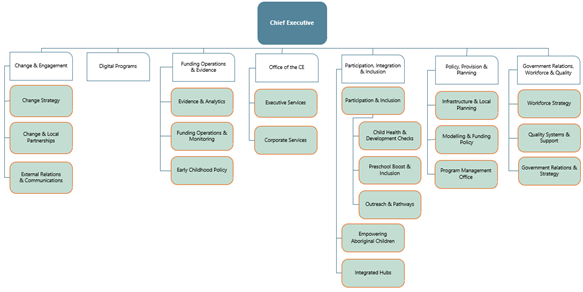
Changes to the agency
During 2024-25 there were the following changes to the agency’s structure and objectives as a result of internal reviews and the continued progression of the Royal Commission into Early Childhood Education and Care Recommendations.
- Digital Programs separated from Office of the CE to oversee sector-wide ICT system; EC Connect.
- Workforce and Quality expanded following the transfer of the Intergovernmental Relations functions from the Department for Education (DfE) to the OECD.
- Rename of Funding, Operations and Monitoring to Funding, Operations and Evidence
Chief Executive
- Change and Engagement
- Change Strategy
- Change and Local Partnerships
- External Relations and Engagement
- Digital Programs
- Funding, Operations and Evidence
- Evidence and Analytics
- Funding, Operations and Monitoring
- Early Childhood Policy
- Office of the Chief Executive
- Executive Services
- Corporate Services
- Participation, Integration and Inclusion
- Participation and Inclusion
- Child Health Development Checks
- Preschool Boost and Inclusion
- Outreach and Pathways
- Empowering Aboriginal Children
- Integrated Hubs
- Participation and Inclusion
- Policy, Provision and Planning
- Infrastructure and Local Planning
- Modelling and Funding Policy
- Program Management Office
- Government Relations, Workforce and Quality
- Workforce Strategy
- Quality Systems and Support
- Government Relations and Strategy
Our Minister
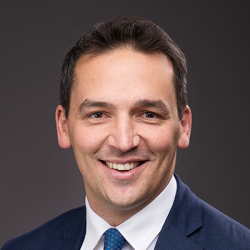
The Hon Blair Boyer MP is the Minister for Education, Training and Skills.
Blair lives in the North Eastern suburbs of Adelaide with his wife and three daughters. He grew up on the family farm in rural South West Victoria, not far from Mount Gambier. He was elected to represent the State electorate of Wright in 2018 and was appointed Minister for Education Training and Skills in March 2022. Blair is passionate about education and believes that a strong, affordable and accessible public education system is the key to equality.
Our Executive team
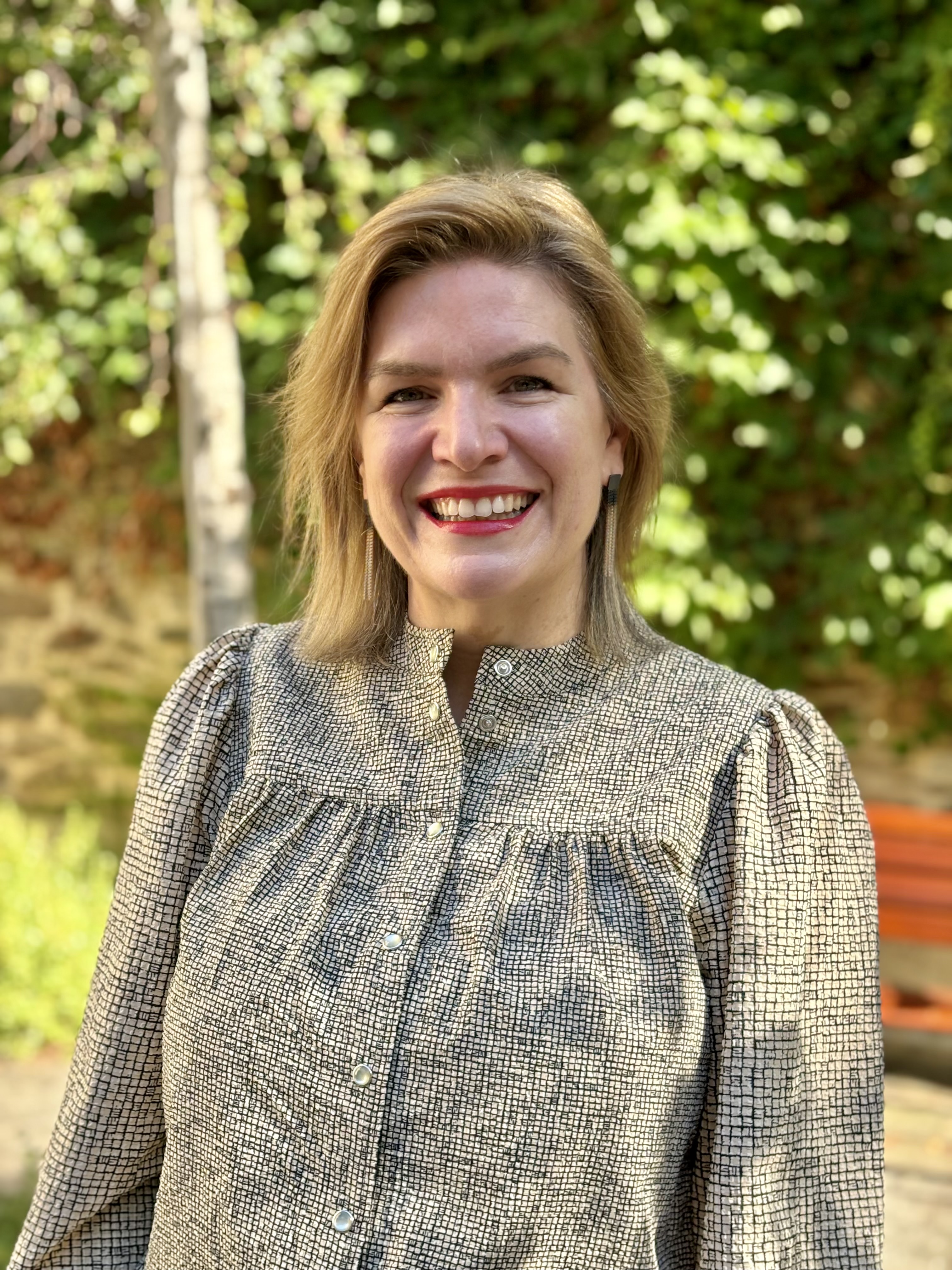
Kim Little is the Chief Executive of the Office for Early Childhood Development. Working with her team and across governments and departments, Aboriginal leaders, sector stakeholders, unions, the professions, parents and the community, she is tasked with leading the design and implementation of the landmark reforms flowing from the Royal Commission into Early Childhood Education and Care.
She brings her expertise in education and social policy issues to the table as South Australia embarks on bold reforms to increase the number of children starting school developmentally on track.
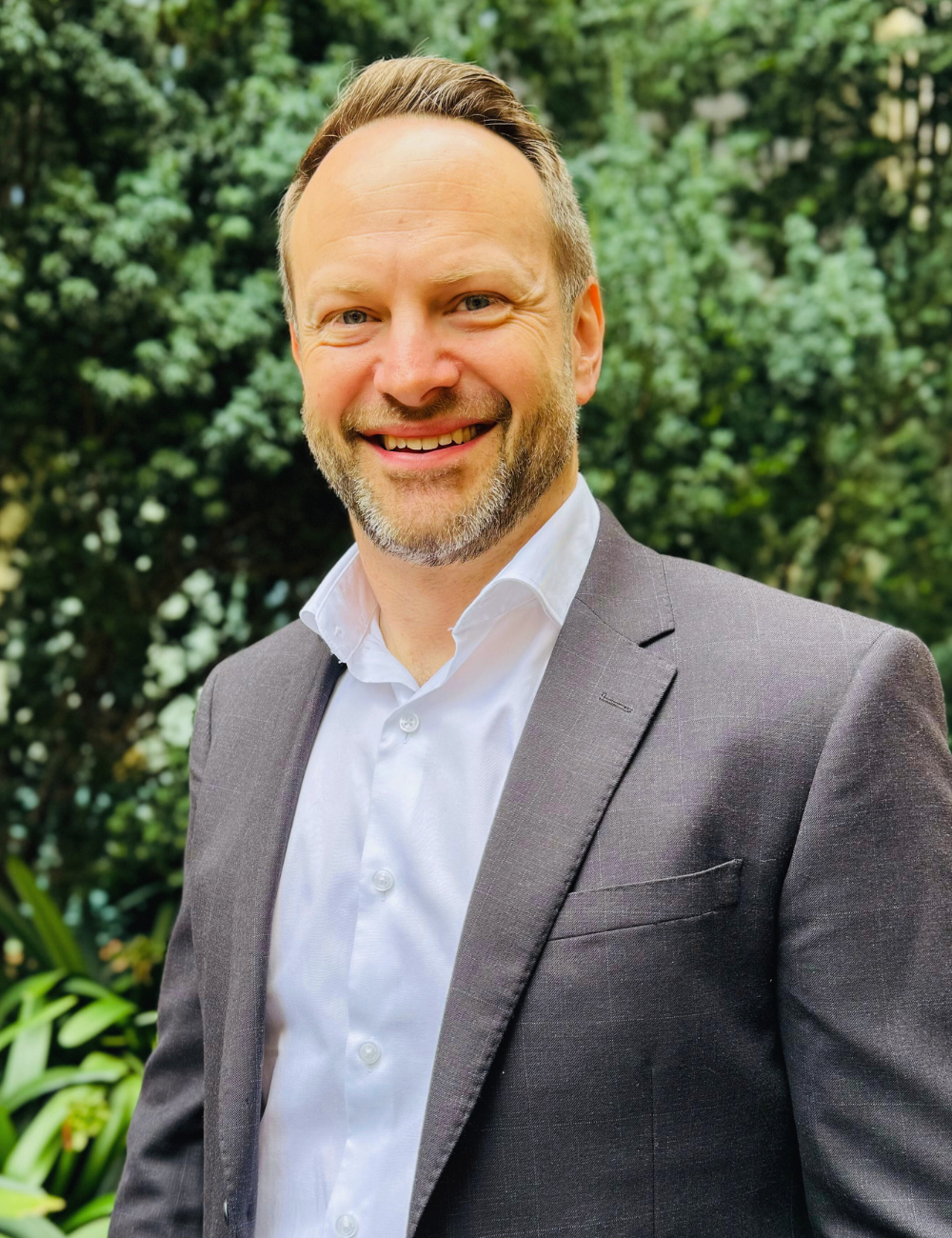 Jason Turner is the Chief Information Officer and is responsible for the digital strategy for OECD and leading the implementation of the technology solutions. The digital capabilities will support and facilitate the development of systems, policies and processes for the secure sharing of early childhood data. The digital roadmap includes the establishment of initial operational capabilities that will be a contributory foundation to future objectives, including the development of a universal child development system.
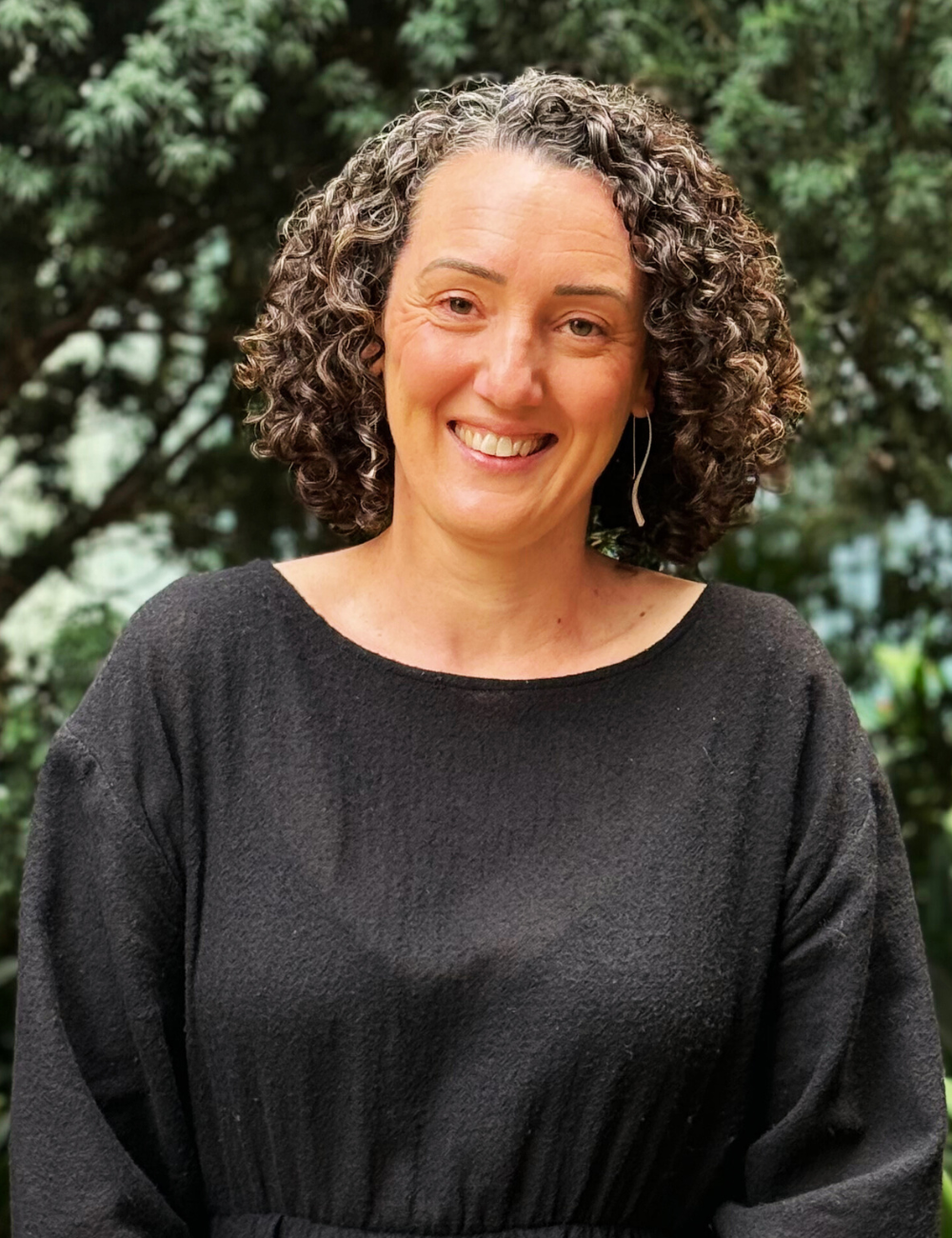 Natalie Atkinson is the Executive Director of Participation, Integration and Inclusion and is responsible for leading the design and delivery of additional supports to unlock the potential of all children. This includes reforms led by a dedicated Empowering Aboriginal Children team aligned to Closing the Gap commitments.
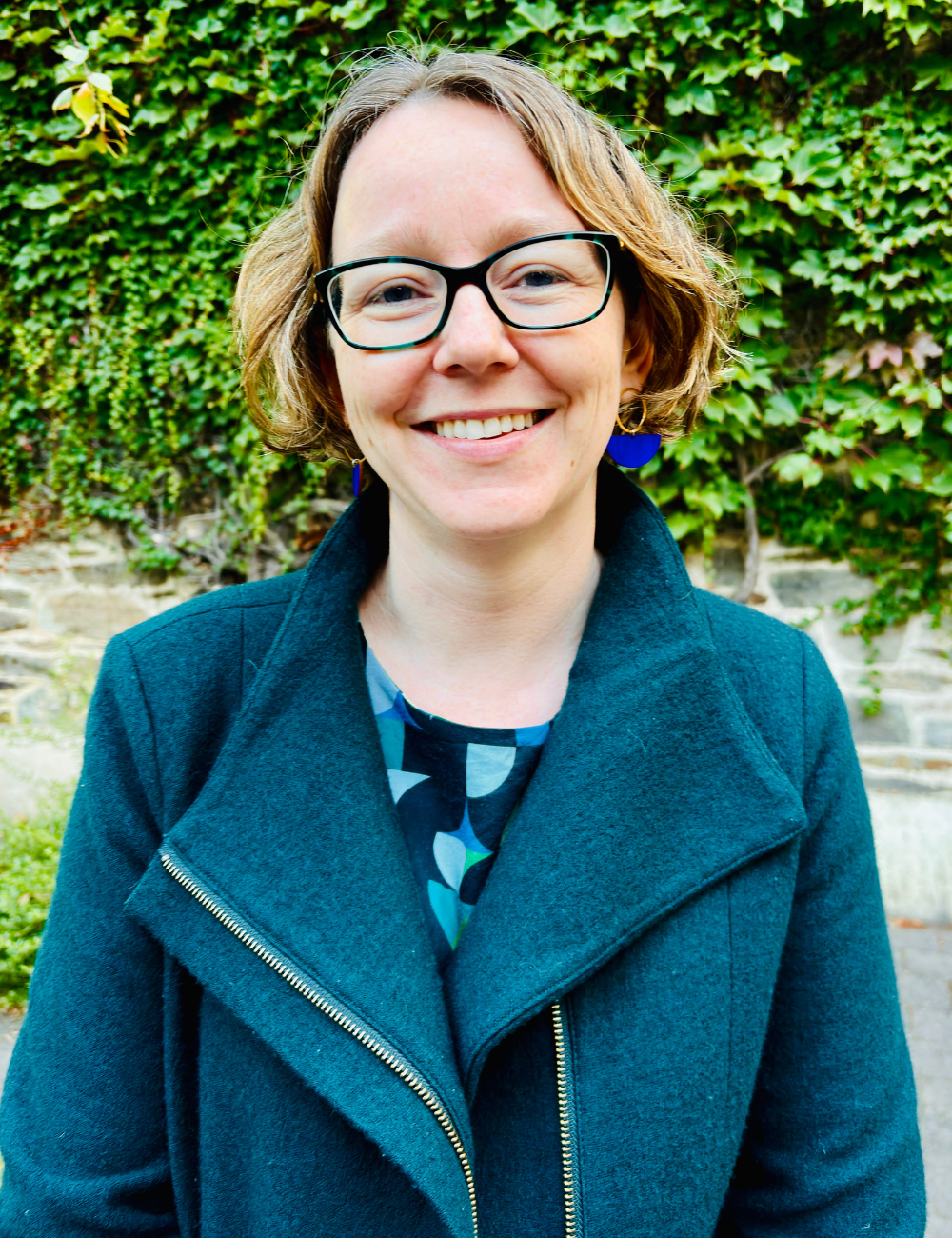 Nicole Lynch is the Executive Director of Policy, Provision and Planning and is responsible for overarching budget, provisioning, and infrastructure strategy, including market modelling and funding model design. This division also has responsibility for whole-of-reform program management.
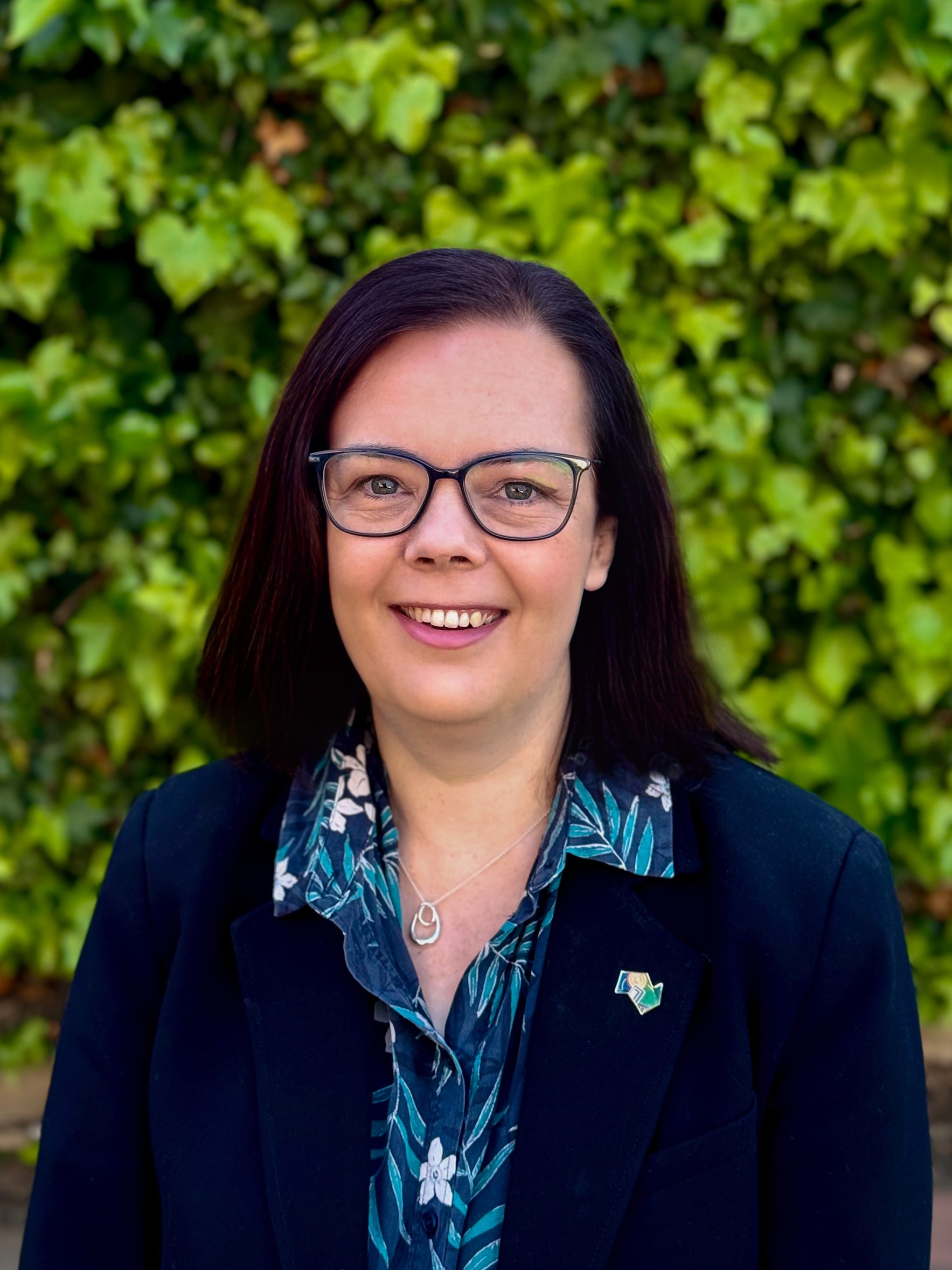 Bec Curtain is the Executive Director, Government Relations, Workforce and Quality and is responsible for leading intergovernmental relations and South Australia’s influence of national reforms in early childhood, and work to grow and support the early childhood workforce and support quality improvement in the sector. This includes working with the sector to design innovative approaches to increasing the supply, diversity and quality of the workforce.
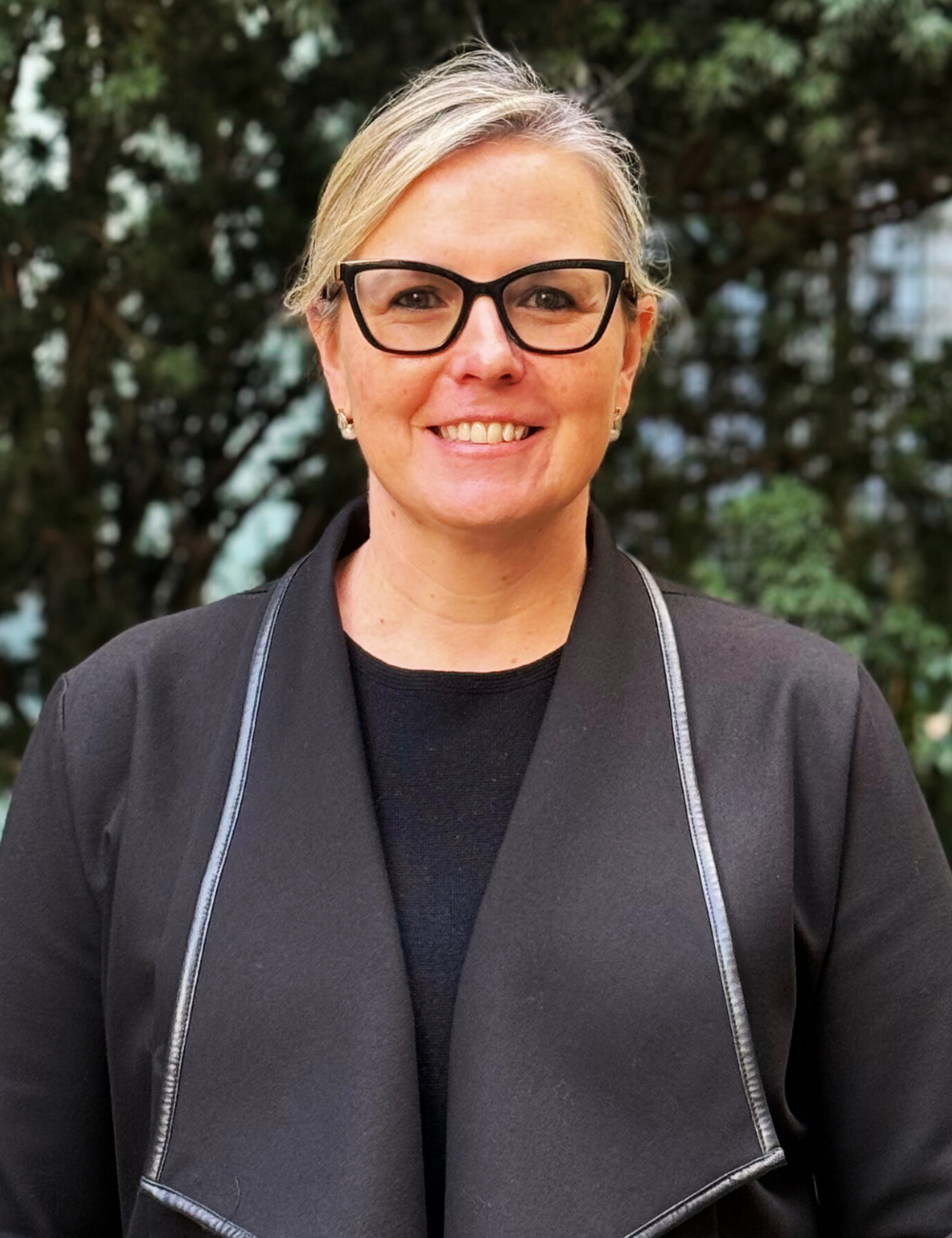 Georgy Grundy is the Director of Funding Operations and Evidence. Georgy’s team oversees the partnership conditions, contracting arrangements and associated funding for the new preschool program; monitors program delivery and oversees research, data and evidence to drive quality and reduce developmental vulnerability; and works with rural and remote communities to provide support and advice on addressing childcare shortages.
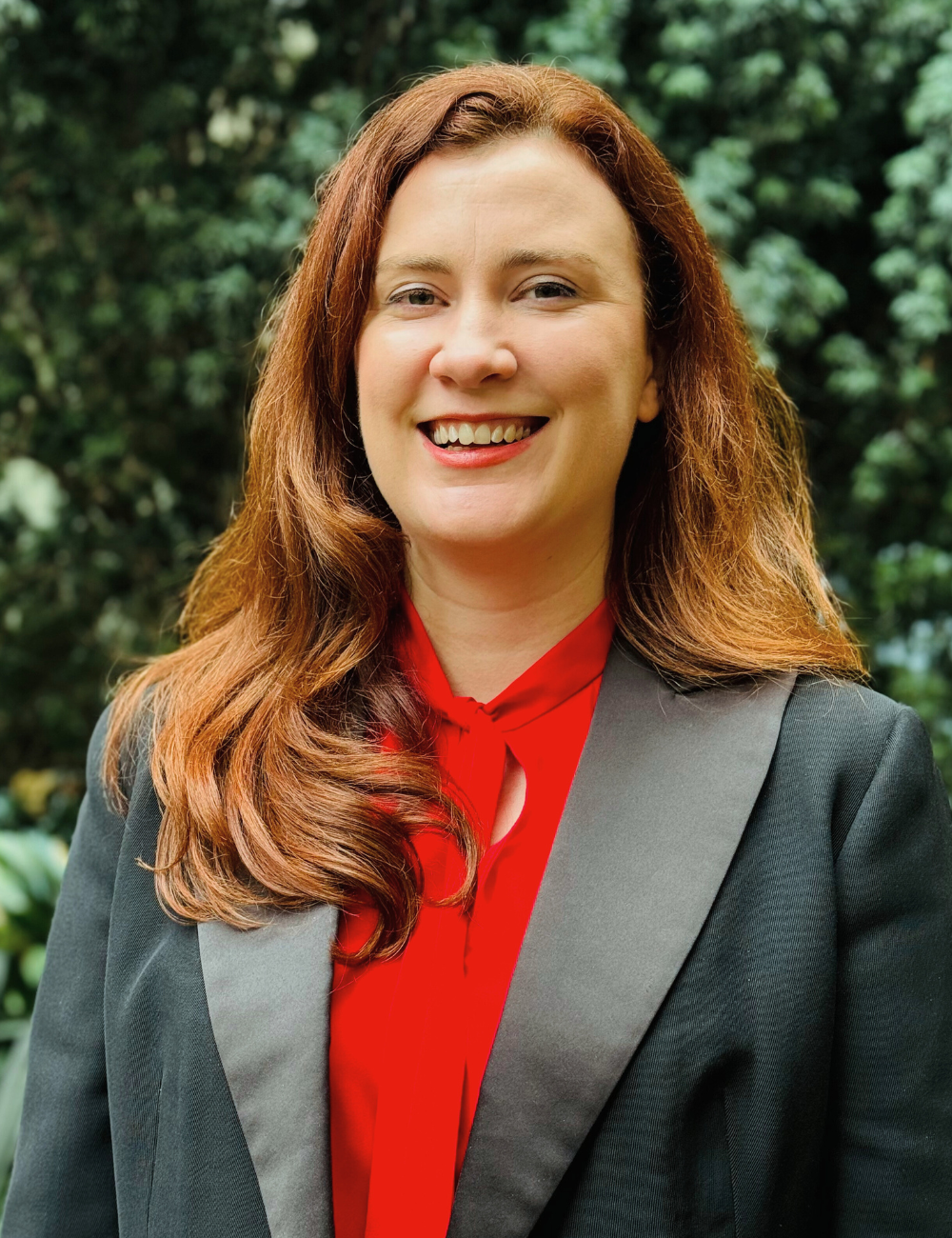 Hannah Turnbull is the Director of Change and Engagement and is responsible for leading a strategic approach to communications, engagement and change to drive transformative early childhood reforms in South Australia. This includes responsibility for the establishment and management of the Office’s local teams.
Legislation
Office for Early Childhood Development Act (2024)
Other related agencies (within the Minister’s areas of responsibility)
Department for Education
Department for State Development
TAFESA