

Artwork
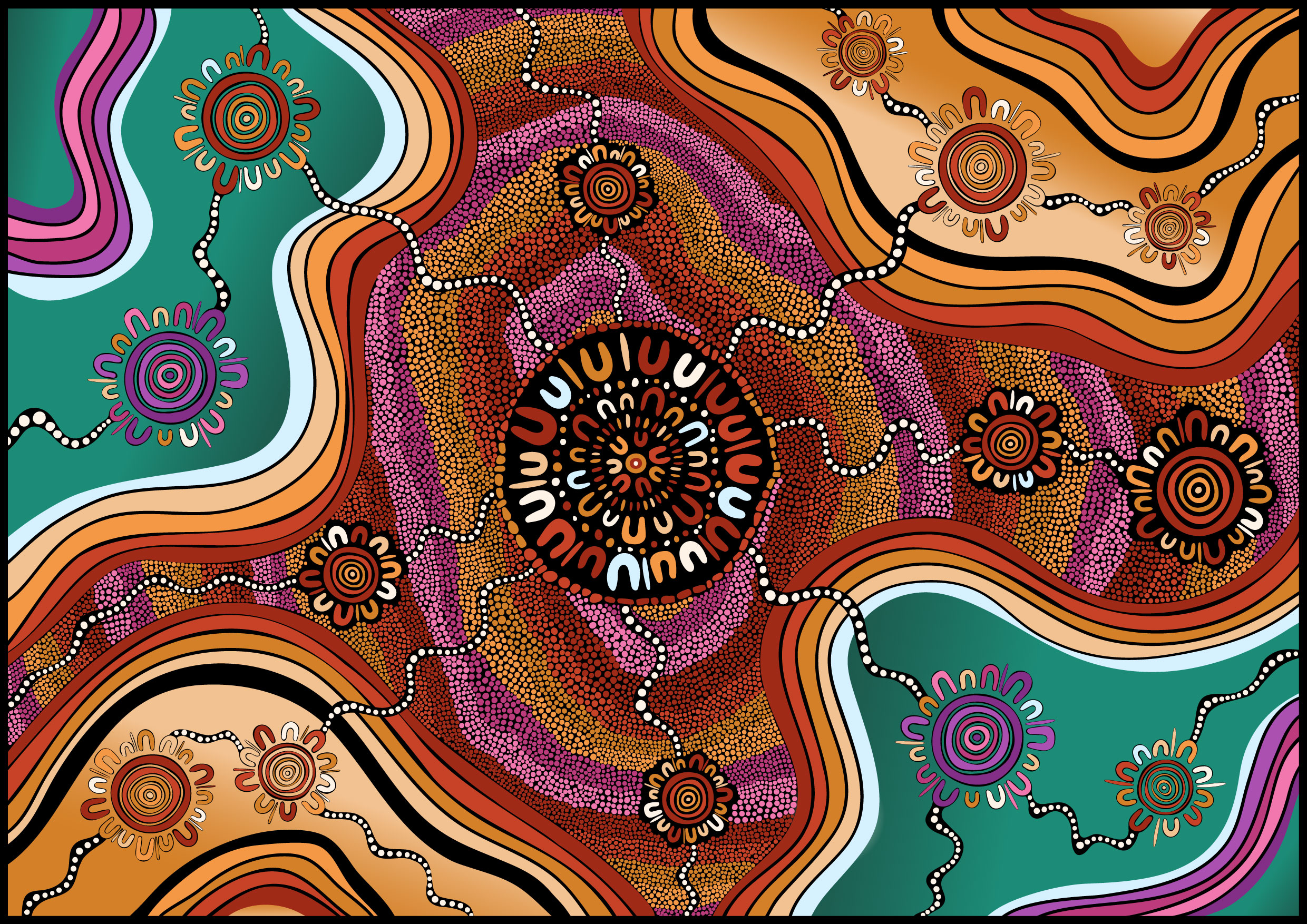
'Padninthi Kumangka Muna Padni: Walking Together from the Beginning' by Allan Sumner
Click the image to expand
About the artwork
This artwork was created for the Office for Early Childhood Development by Allan Sumner, a descendant of the Ngarrindjeri, Kaurna, and Yankunytjatjara people. The artwork acknowledges the Kaurna people as the First Custodians of the greater Adelaide region, the lands on which much of the Aboriginal Early Childhood Strategy (the Strategy) was developed, and extends its story across all South Australian Aboriginal Nations, reflecting a shared responsibility to nurture and support Aboriginal children in their early years.
The artwork reflects a Culturally safe and supportive system where children, families and Communities are respected, and where relationships are central. Children stand strong in the knowledge of those who came before them, while being supported to walk confidently into the future. We thank Allan Sumner and the team at We Create Print Deliver for developing an artwork that stands as a visual expression of the Aboriginal Early Childhood Strategy and its Theory of Change - grounded in connection, guided by Culture and shaped through partnership.
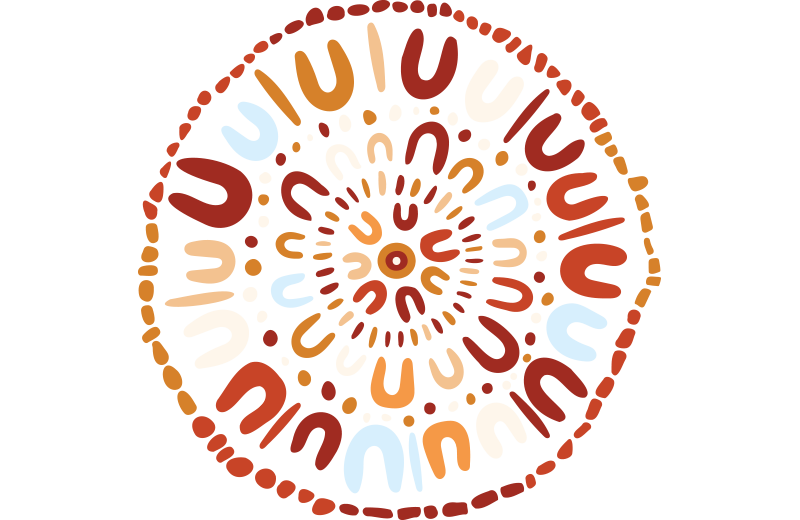
Element: Children
Meaning: At the heart of the artwork, this symbol represents Aboriginal children and symbolises strength of spirit, Culture, identity and belonging. This central gathering place symbolises the spirit, identity and Cultural strength of children, grounded in belonging and connection.
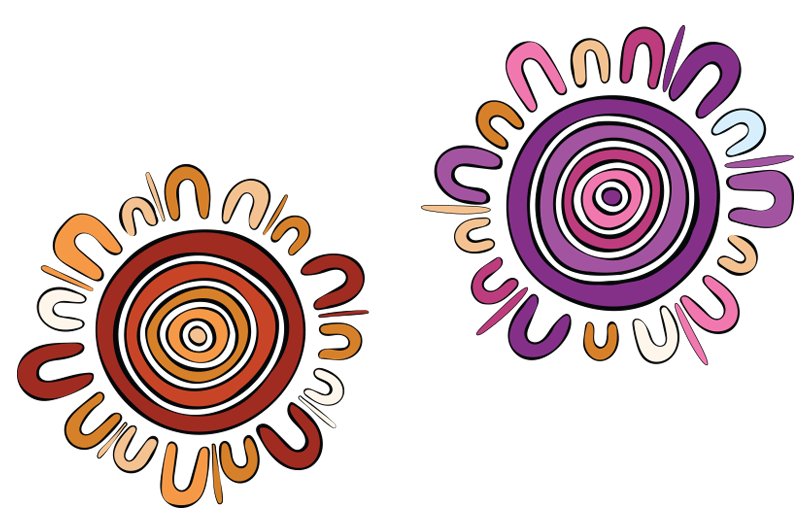
Element: Family and Community
Meaning: Clusters of gathering circles represent families, carers, educators, Elders and Community knowledge holders. These include mothers, fathers, aunties, uncles, grandparents, older siblings and Elders. Each plays a vital role in teaching, guiding and nurturing children as they grow. Gathering circles reflect shared decision-making, co-design and the ongoing guidance of Elders and Community.
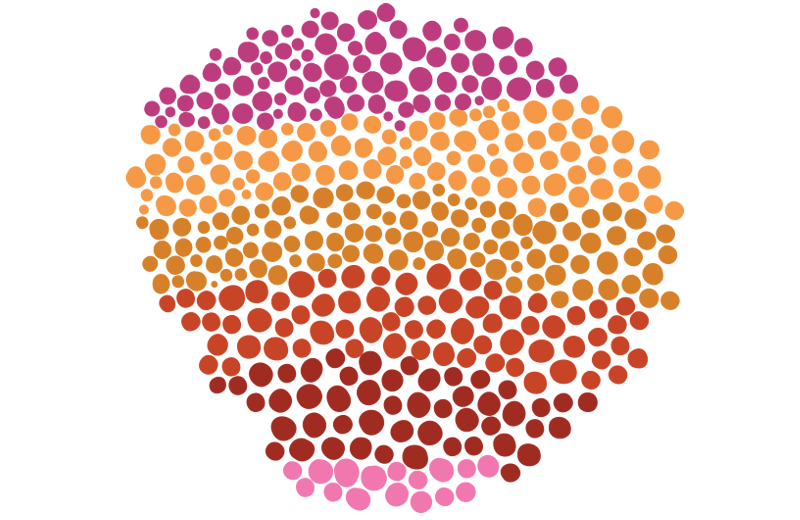
Element: Journeys of Children
Meaning: Circular, layered rings of colour and intricate dot work represent the journeys of children as they grow and learn through story, song, ceremony, Cultural rhythm, and lived experience. Together, these elements reflect the richness of Cultural knowledge that is held and shared, and symbolise the living presence of Elders and knowledge holders.
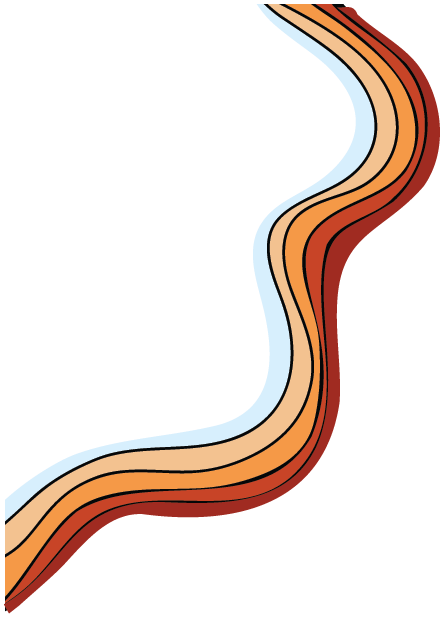
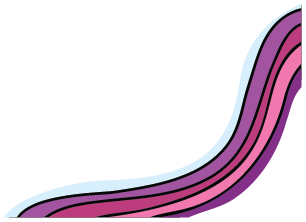
Element: Landscape and Country, Sky and Water
Meaning: The flowing landscape and layered patterns reflect Country as a living presence. Distinct colour fields including earthy reds, warm ochres, deep greens and soft pinks reflect land, water and sky across South Australia. These elements speak to the diversity of Country while reinforcing connection, balance and wellbeing across Cultural, emotional, physical and spiritual dimensions.
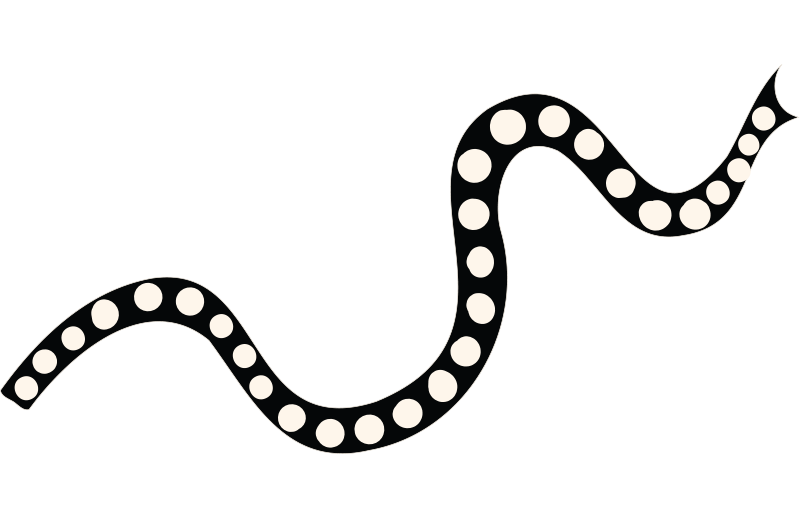
Element: Journey Pathways
Meaning: Radiating pathways link the gathering circles and illustrate the ongoing exchange of knowledge, including stories, language, Cultural practices and life skills passed between generations with care and respect. These pathways form a strong, interconnected network of support surrounding each child and represent the journeys of children and the many relationships that guide and support them.